
Climate may influence risk, but health systems influence outcomes
Climate change is creating more favourable conditions for the mosquitoes that spread malaria and dengue, but a new review suggests that warming temperatures alone do not determine how these diseases emerge, spread and affect communities. Instead, researchers argue that disease trends are shaped by a complex interaction of environmental, social, economic and public health factors, highlighting the need for a coordinated and sustained public health response.
Published in Science Advances, the review from researchers at Monash University examines the factors influencing transmission of two of the world's most significant mosquito borne diseases: malaria and dengue. Together, the diseases affect hundreds of millions of people each year, with close to 300 million malaria cases and almost 400 million dengue infections reported globally.
The findings underscore the importance of viewing mosquito borne diseases through a public health lens. While climate change is expanding the geographic areas suitable for mosquito populations, the authors note that disease outcomes are also heavily influenced by factors such as vector control programs, access to healthcare, urbanisation, public health infrastructure and the availability of preventive interventions.
Lead author Dr Toby Cumming, Research Fellow with the Health and Climate Initiative at the Monash School of Public Health and Preventive Medicine, said understanding the multiple drivers of disease transmission is essential for developing effective responses.
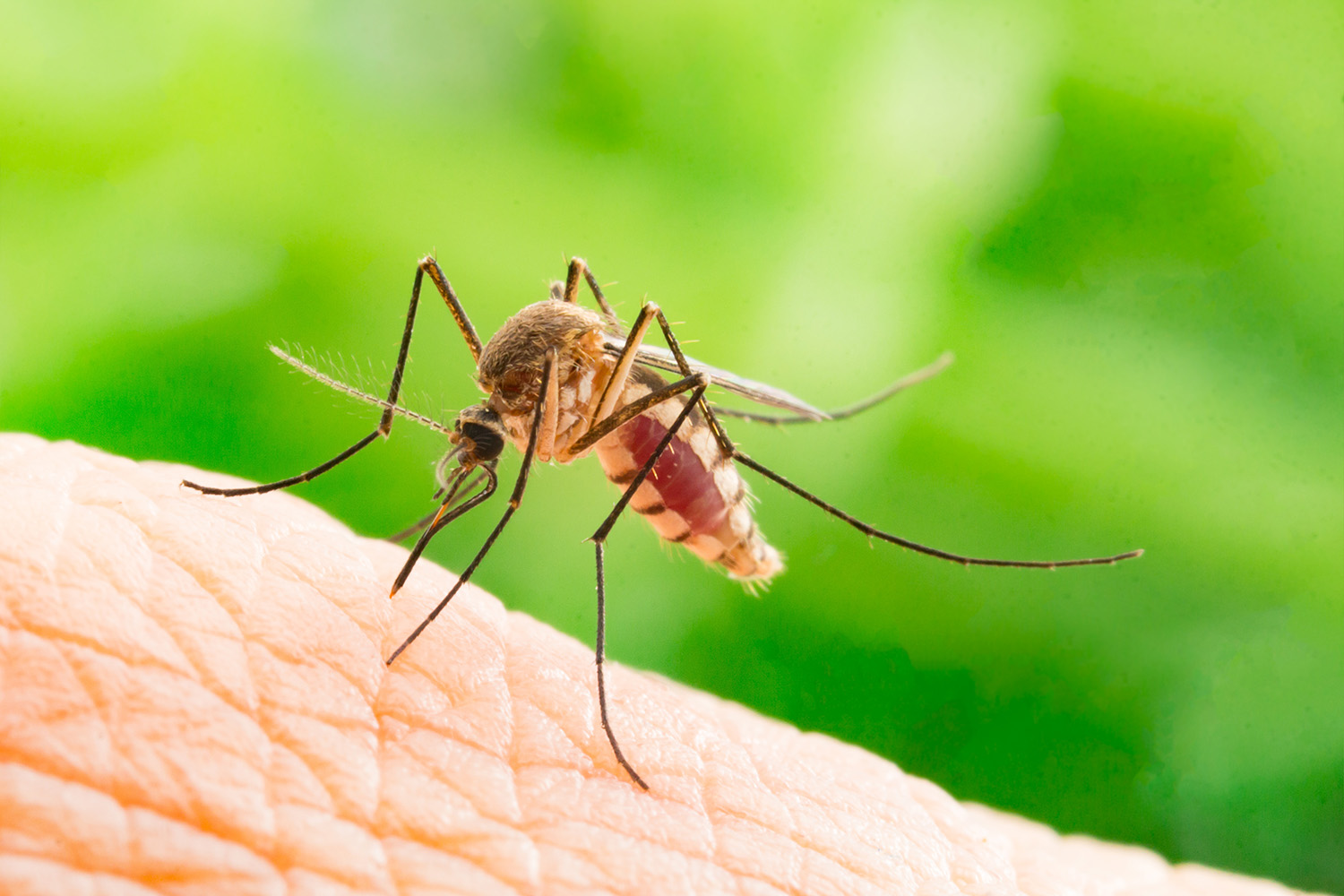
"As climate change increases temperatures and alters rainfall patterns, this expands the areas with climatic conditions in which Anopheles and Aedes mosquito populations can thrive," Dr Cumming said.
For public health planners, the challenge is that climate related impacts on mosquito borne disease are rarely straightforward. The review notes that the effects of temperature and rainfall can vary between regions, fluctuate seasonally and interact with local environmental conditions. As a result, disease patterns cannot be explained by climate factors alone.
The contrasting experiences of malaria and dengue provide an important example. Despite global warming, malaria rates have generally declined, while dengue incidence has risen dramatically. According to the researchers, this reflects the powerful influence of public health interventions and social change.
"Yet over the last century, during a time of unambiguous warming, rates of malaria have declined while rates of dengue have risen," Dr Cumming said.
The review attributes much of the success in reducing malaria transmission to sustained investments in mosquito control, disease surveillance, healthcare access and effective drug therapies. These public health measures have helped offset some of the risks associated with changing environmental conditions.
By contrast, several factors have contributed to the growth of dengue. Rapid urbanisation has created environments that favour Aedes mosquitoes, while the absence of therapeutic treatments means prevention remains the primary strategy for reducing disease burden.
The researchers warn that recent trends show there is little room for complacency. Although malaria has declined over the long term, global incidence has increased by 8.5% over the past decade. At the same time, dengue continues to expand into new regions, placing additional pressure on health systems and public health agencies.
"Recent malaria trends and the rapid growth in dengue are both serious concerns, and we must escalate our prevention and control efforts," Dr Cumming said.
The review highlights several priorities for public health policymakers and disease control programs. These include supporting vaccine deployment where appropriate, strengthening vector control initiatives, improving disease surveillance systems and investing in community-based prevention efforts. The authors also emphasise the importance of addressing climate change itself through reductions in greenhouse gas emissions.
Emerging prevention technologies may also play an increasingly important role. One example highlighted in the review is the work of the World Mosquito Program, a not-for-profit organisation owned by Monash University. The program uses the bacterium Wolbachia to reduce the ability of Aedes mosquitoes to transmit dengue, offering a novel approach to vector control that complements more traditional public health strategies.
For clinicians and public health professionals, the review reinforces the need to think beyond climate change as a standalone risk factor. Future disease patterns will be shaped by how effectively health systems respond through surveillance, prevention, vaccination, vector management and broader public health planning. The authors argue that success will depend on coordinated action across multiple sectors rather than any single intervention.
"Ultimately, our research reinforces the need for a coordinated approach, encompassing interventions to address the many climate and non-climate factors that contribute to the spread of mosquito borne disease," Dr Cumming said.